Thursday, January 5, 2012

Trip to Chickballapur

Hare Srinivasa !!!

Jai Bedi Anjaneya !!!

Jai VijayaRaya !!!


Every year Sri Palimur Mutta Swamiji Sri 1008 Vidyadeesha Teertharu spends at least a few days in my home town Chikballapura.
We left home, Bangalore at around 6 am, not much traffic and good roads meant we were in Chikballapur by 7:15 am. After a quick round of coffee. We went upstairs to pay our respects to Swamigalu. It was the end of the Sudha Patta; we were able to hear about 2 mins of it. Then as the students walked out we ushered ourselves into the room and prostrated before Swamiji; who always has a smile on his face. We requested for Upadesha; Swamiji told he would do that in the mutta after his japa. My dad asked a doubt; in Bhagavad Gita why has Sri Krishna called himself Dhananjaya among Pandavas. When Bheemsena is given so much importance then it should have been Bheemsena.
Swamiji effortlessly replied; Dhananjaya refers to Bheemsena as well; Dhanan jayati iti Dhananjaya. Therefore because of the company of Bheemsena; Arjuna was victorous. Hence Dhananjaya in the mukhya artha means Bheemsena and then Arjuna. Only with Madhwa shastra one can understand this sookshma. Sri Krishna has also delibrately chosen these words to divert the tamsik souls and to save the satvik souls.
The Swamiji had come in the previous night; amidst great rain. Our ancestral home being an open plan house; the venue of the pooja was decided to be shifted to the neighbouring Rayara Mutta. Soon Swamiji left for the Rayar Mutta where the preparations had already begun. We left soon after, since we wanted the upadesha.
Soon after we arrived and settled down; Swamiji emerged and sat down for his daily japa before morning Pooja.


Close up of Rayar Brindavana


Close up of Saligramas

Next we informed the shishyas that we were waiting for upadeshas; they assured us that they will let us know. We stood waiting for the most part; since it was in the mutta there was not much running around to do. We waited standing, patiently until we were called for.
Soon Swamiji signalled to his shishyas and we got the word and rushed to the spot; Swamiji explained the Pranayama, Nyasa, Dhyana Shloka and the mantra. We were thrilled on having received upadesha. We bowed down to Swamiji again and again.
In the meantime the Rayaru brindavana was very well decorated and so were the SeetaRama Anjaneya and Lakshmana vigrahas. I was told they were brought in from Tirupati under the old DasaSahitya scheme.


Main Pooje


Once the Japa was completed; the Shishyas started the Vedic Chants.
Firstly; Shree Sukta during removing the nirmalya.
Purushasukta while doing abhisheka ( not sure of this )
Then ManuSukta Parayana
Then Sri Vishnu Sahasra Nama
Then Naivedya to Kodanda Rama Devaru with Dvadasha stotra paryana
Then Naivedya to Rayaru with Raghavendra Stotra


SriLakshmiNarasimha

Sri Anjaneya Swami abhisheka

SRIMANMADHWACHARYA HRISHIKEESHA TEERTHARIGE KOTTIDA SRI KODANDA RAMA DEVARU !!!!

After complete Alankara


Mangalarti


Anugraha sandesha by Vasu:
Vasu talked about the history of the program; Swamiji has been spending a week in Chickballapura since 1994. It's only offlate that this has been reduced; it's only because of Swamiji's affection for this place and the people here that he has made time out of his extremely busy schedule to come and visit here and to bless all of us. We all thank him from the bottom of our hearts for making it this time and hope to have many more visits.
( I forget the first part of Kapila Paramatma )


Anugraha Sandesha by Swamiji:
"smarAmi bhavasaMtApa-hAnidAmrutasAgaraM |
pUrNAnaMdasya rAmasya sAnurAgAvalOkanaM || Dvadasha Stotra 1.10 ||
SriMadhacharya is avatara of Sri Hanuman; he has explained in this shloka how he remembers seeing the kind look of SriRama.
Sri Hari is karuna sagara; if he even looks at someone that person is uplifted forever.
Whenever we go to Tirupati darshana all we remember after coming out is the diamond crown; golden ornaments etc. i.e. we pay more attention to the ornaments. Even if we pay more attention to the ornaments it will fetch some punya. Rather than seeing the ornaments in the showcase; it's much better to see them on the Lord.
SriMadacharya describes SriHari in the first stotra Aaapadashira sthothra – describing Him from feet to the Head; which is how darshana should be done.
SriHari like a mother always sees his devotees waiting for his devotees to give him one look filled with love. But as a child is distracted by all the toys and never looks at the mother. We devotees are always engaged in worldly desires and never look at the Lord.
SriMadacharya on the other hand says he has seen SriRama and he has seen SriRama see him lovingly. That look filled with love and complete bliss is ever fresh in SriMadAcharya's mind and he has passed that down to us. So whoever follows Acharya will also get the similar look"
As a sidenote to Swamiji's story there is a story in the puranas wherein Bhagawan VedaVyasa sees an insect. He lifts the insect and says; O insect I have seen you. Now tell whatever you want I'll grant it you. The insect replies that he wants to be a Chakravarti in the insect body. Bhagawan Veda Vyasa says Done! and for 10,000 years that insect becomes the Chakravarti; all because of Bhagawan VedaVyasa cast one glance on it !!!


After the anugraha Sandesha Swamiji sat down for bikshe. A few of us waited for Swamiji to finish to clean his yengalu.
Swamiji then went into the adjoining hall and started distributing mantrakshate there. We were distributing tambula and dakshine ( chasing after some people )
Time for second round; all householders sat and had sumptuous lunch.
Next we hurried back to the house; since Swamiji was leaving soon. Hurridely we were able to complete a pada pooje and a round of mantrakshate and Swamiji was off.
We came back into the house happy but a bit tired after the proceedings. Another round of coffee was passed around and we left soon for Talakalaya betta. We picked up some flowers on the way; and  reached Talakalaya betta in about 40 mins. The temple was almost empty; so we made our way straight to the garba guddi. The archaka recognized us and put our offerings on the God straight away. The darshana the Lord gaves us in Talakayala betta was phenomenal. The anugraha sandesha given by Swamiji and the look on Gods face there was in perfect Synch. Guruve Namaha; Harihi Om!!!
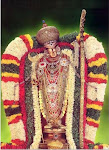
The archaka did not object to taking photos so I took a few; in each one the Lord looks phenomenal; his delicate smile; his benavolent look; his charm; his look !!!


On the way back we realized we missed the JeevAnjaneya devasthana so  we made our way back to the now crowded and traffic prone town centre and paid a quick visit to the temple. On the main road we had to stop for the famous putanna hotel's dosas.
On the way we hit the new year eve's traffic and made it slowly and steadily home. We were a bit exhausted but had throughly enjoyed every second of it.

Any mistakes are solely mine ! BharatiRamana MukhyaPrana antargata SriKrishnarpanamastu !!!

Jai Bharateesha !!!

Friday, December 9, 2011

Dharmo rakshati rakshitaha

Hare Srinivasa !!!

Dharmo rakshati rakshitaha

Dharma protects one who protects Dharma.

There was a King; once during the night he noticed some movement in his palace. He woke up to see some effulgent people leaving his palace. He stopped them and enquired about their whereabouts. They mentioned one by one that they were; wealth, fame, opulance, abdunance, purity etc.. and dharma/satya. Due to change of planetary positions they had to leave the palace. They introduced themselves one by one and bade the King farewell. The King respectfully escorted each one out of the palace, thanking them for their stay. All them went out of the palace and waited for the others.
Finally Dharma/Satya requested to leave; the King refused. The King explained, that he had protected Dharma/Satya all his life and was not ready to let go of him. Dharma/Satya was pleased and agreed to stay behind. All other virtues were waiting for Dharma/Satya outside. Once this virtue stayed back all of the virtues came back saying they will stay only where Dharma/Satya reside.

The moral of the story is;
1. there are times when we loose all wealth/possessions/opulence. But no matter what we should never leave Dharma.
2. Choose your battles; the King fought for Dharma not for anything else. He was not perturbed by anyone else leaving.
3. If you have Dharma, you'll have everything eventually; without Dharma you'll never have anything in the long run.

Uptil the 60's-70's the general belief was that doing dana-dharma is mandatory for well being. If someone is good inspite of this; it must be the dharma of ancestors that is protecting that person.

Also noteworthy is the term "Satya-naash". If satya is naasha; then there is no hope for that person.

In the volatile economy like this; one has to look beyond the horizon. Investing in something long term and secure; is the greatest fundamental of Banking and Investment.

Dharma's effects can felt across generations. One small ex. recently my father was traveling to a temple in a bus. He was standing and was feeling tired. Immediately somebody recognized him as HRV's younger brother and offered him a seat. This is after 15 years of HRV's passing away; readers can have more powerful examples; but purport is that Dharma protects not only us, but spans generations. No matter how many instruments the financial industries create; ensuring 2-3 generations down enjoy good benefits is simply beyond it's scope.

In Mahabharata, Yudhishtira is generally portrayed as soft spoken and a push over sometimes. SriMadhwacharya explains that he is Yama(death) himself; it is a very frightful position; but Vayu Devaru keeps an avesha of "Sowmya" roopa; so he is seen as soft hearted. Also the forgiving nature of Yudhistira is representative of the nature of dharma. Dharma keeps forgiving; keeps giving second/third/fourth chances; keeps throwing us life lines and follows us everywhere we go to protect us.

So start investing in the easiest possible way; to get the maximum returns and the most secure way; sounds like a no-brain er investment to me :)

BharatiRamana MukhyaPranantargata SriKrishnarpanamastu,
Hrishikesh

Monday, November 21, 2011

Koravanji roopa of Sri Hari ( Sri Hari as an astrologer )


Koravanji Roopa of Sri Hari
Srinivasa Kalyana ( Venkatesha Parijata in Kannada ) VIth chapter has a special roopa of Sri Hari exclusive for women. Just like Sri Krishna gives gyana to Sri Arjuna and set his heart at ease in Bhagavad Gita. Sri Venkatesha does the same to all the women folk in Sri Padmavati's palace. Sri Venkatesha comes in a stree roopa and lays to rest all their doubts, especially relating to matters of the heart. This "stree roopa" to help the mother in the matters relating to the marriage of her daughter and for girls in relating to matters of the heart.
Sri Hari keeps providing assurance, guidance and keeps filling her with hope in the manner only he("stree roopa" ) can. This is the best example of "Girl Talk" :)

Sri Anantradeesha Dasaru has written it beautifully in Kannada, I pray to Sri Hari-Vayu, Sri Vyasarayaru, Sri Purundara Dasaru, Sri Vijaya Dasaru, Sri Mohan Dasaru and Sri Anantradeesha Dasaru to give me the strength to do justice to this.

Sri Venkatesha decides to take a Stree Roopa in order to get his work done; because two people trying to accomplish the same work is better than one. If a person needs his work done; then he has to contribute some effort to it and not just depend on others. ( Sri Hari does this as a loka shikshana; because Sri Hari can achieve anything by iccha matra ). Sri Hari also shows that if you follow his instructions; he would already have done most of your work, all you have to do is effort and SriKrishnarpanamastu . Sri Hari decides to take a Stree Roopa of a Koravanji or Tribal Fortune Teller. Sri Hari himself ( or rather herself ) as an astrologer; can it get any better?

Description of the "Stree Roopa"

Sri Venkatesha takes the roopa of middle aged and matured woman; SHE had a beautiful smile and no teeth within; HER age seemed to be 50+. SHE had long drooping ears, Lamba kuchagalu and a pot belly. She wore a long new saree and blouse, SHE tied her hair in a bundle knot; SHE made ChaturMukha Brahma as a seven months old child and lifted him with utmost ease; then SHE she made the whole Brahmanda along with it's 14 lokas as a basket and carried both easily. ( This shows that carriers both the creator and the entire creation effortlessly), SHE then filled the basket with the best grains of navadhanya. On her beautiful forehead; SHE applied Kasturi tilak. SHE then wore a necklace with a pendant. SHE wore a brilliant nosestud. SHE wore the sacred yellow thread (kankana)

SHE wore brilliant earrings; in  her beautiful ears. SHE then wore malas in the following order; shankamani mala, gulaganji mala, tulasimani mala, srigandha mala, karpurmani mala, spathika mala, kamalakshi mani mala, then a mala of different stones; then SHE tied her child to her saree; took her stick and left for Narayanapura.

On reaching Narayanapura

SHE left the hills and reached the gates of Narayanapura; her saree fluttering in the wind, SHE roamed about; started announcing her skills door to door. ( Again compare to Bhagavad Gita where Sri Krishna explains his powers; but this is totally female oriented ). HER voice was very soothing and satisfied their hearts.

"I'll explain your heart secrets; O ladies, I'll explain whatever are your desires and your troubles are. I will explain the past and present. I will predict correctly the future ( The ultimate astrologer :) ) I have predicted many things in the past; not one has been false; so please don't doubt my sayings !!! ( Satyavak in VSN)
I am expert in arts of Sama-Bheda. I know Samudrika shastra very well; I can prepare medicines for various illness. I know of the "love" fever which grasps young maidens; O young girls I can tell all this in advance especially for you. I can free one from ghosts and spirits trouble.  I can make dumb people speak; I can speak on Niti shastras; I am an expert in Astrology. O Ladies; if you are prepared to sit down and listen to me; I'm ready to tell all; I'll tell you all good fortune in a way that you will enjoy.  None of this is false; I swear on my baby. I can bring back confidence in anyone who has lost all hope. I am a famous Koravai the world over. I stay in the place of Nara-Narayana ( Badri ). "VaraAnanatadreeshina neravuLLa koravi".

The town people were mesmerized by the STREE roopa; hearing the words of the koravi; the town people immediately informed the queen about her arrival.

To be continued ....

Any mistakes are solely mine.

Jai Bharateesha,
Hrishikesh

Sunday, October 30, 2011

MangalCharana Sandhi - I


shrIramaNikarakamala pUjita
chArucharaNa sarOja brahma samIra vANi
phaNINdra vINdra bhavENdra mukha vinuta
nIrajabhavANDOdaya sthiti kAraNane kaivalya dAyaka
nArasiMhane namipe karuNipudhemage maNgaLava .HKAS_01-01

Explaination 1 #
Jagganatha Dasaraya has done Managalcaharana with Sri Lakshmi Narasimha. Sri Madhwacharya has composed Sri Narasimha Nakha Stuti and in Mayavada Khandana he has invoked Sri Lakshmi Narasimha's grace.
On the same lines; Dasarayu has also invoked Sri Lakshmi Narasimha's grace.
Sri Lakshmi Narasimha is the roopa responsible (niyamaka) for swaroopa deha.
shrIramaNi-kara-kamala pUjita - One who is worshipped by Sri MahaLakshmi's (soft like)lotus like hands
SrI MahaLakshmi is called "padma haste"; there is nothing more pure than Sri MahaLakshmi's hands (other than Sri Hari).
Sri MahaLakshmi pressing Sri Hari's legs is like worshipping with the best lotuses.
chAru-charaNa sarOja - Extremely attractive feet like lotus.
Each and every word has been used with precision. "Charu-Charana Saroja" is a superior compliment to  "kara kamala". Thereby showing taratamya; the article being worshipped is superior to the article being used for worship.
The worshipee is superior to the worshiper; Sri Hari is sarvothamma in every which way.
Sri Hari does not have swagata bheda vivarjita; no difference between limbs of Sri Hari everything is ananta.
Dasaraya has used similar style to SriMadhacharya ( LakshmiKanta Samantatopi naivesha tuste samam)
In Samudrika shastra; palms and feet being red are called lakshanas. This is the root of the custom of applying mehendi or gorantee to palms and soles of feet.
Brahma, Vayu devaru, Sesha, Rudra, Indra and all other deities are standing before Sri Hari and worshipping by singing praises.
Taratamya - Sri MahaLaxmi does pooje with her own hands, others by praying ( karakamala pujita-mukha vinuta )
All pooje to Sri Hari has to be done with Sri MahaLakshmi
Abhisheka - Abhisheka to Sri Hari is always through shanka as Sri MahaLakshmi is present in Shanka.
Mangalarti - All Mangalarti is done by keeping palm upwards because "Karagre vasate Lakshmi" so it is Sri MahaLakshmi who is doing Mangalarti not us.
During Naividya - "pariveshi teesham Streehi" It is Sri MahaLakshmi who is serving food to Sri Hari
Sri Krishnarpanamastu - While doing Sri Krishnarpanamastu we should always use Tulasi ( at least mentally)
brahma - ChaturMukha Brahma
samIra - Ira - to inspire (root of prerana) - samyakta ireti iti sameera - No body can inspire as much as Vayu devaru hence he is called samIra
vANi - Saraswathi/Bharati - Vaag Vani means Bharati Devi(amara kosha) so Vani can be used for both
phaNINdra - Sesh Devaru
vINdra - vI + Indra - Vi means Bird - VIndra - Garuda
bhavENdra - out of ekadasha Rudra; main in Parvati Patti hence called Bhavendra. Can also be split as bhava + Indra - Rudra Devaru + Indra
muka vinuta - singing praises ( vinuta - special praises )
nIrajabhavANDOdaya sthiti kAraNane -
Meaning 1#
nIrajabhavANDa -  nIra+ja+bhava+Anda - jala(nira)+ja+bhava- Brahma Devaru + Anda = Brahmanda
nIrajabhava - one who was born on a Lotus from nabhi of Sri Hari
nIrajabhavANDA - Brahmanda
Meaning 2#
nIrajabhavANDA udaya - one who was born in lineage of Sri Brahma Devaru ( hiranyakashipu) + udaya ( his son- Prahalad)
stithi karane - one who gave stithi to Prahalad ( Sri LakshmiNarasimha )
udaya +sthiti kArane- creation + maintainance + main cause
kaivalya dayaka - giver of moksha
Note: the moksha giving is kept separate from Srushti, Sthiti because there are others involved in this. But giving of Moksha is exclusively with Sri Hari.
Vishnu rithiata mokashcya Vayuscha tadanugneya
Moksha is the best purusharta out of Dharma, Artha, Kama and Moksha. Therefore giver of Moksha is Sarvothamma.
nArasiMhane namipe karuNipudhemage maNgaLava -
namipe - Eshavasya Upanishad -15 - bhuyishtam te namuktim videma -
We can only pray to you O Sri Hari; there is nothing we can give.
With Bhakti Gynana we offer namaskara (bhuyistanti)
karuNipudhemage maNgaLava - Please shower your grace on us; maNgaLava ( moksha )
Explaination 2 #
In this explaination we shall see how the mangala shloka mirrors the mangala shloka of Sriman NyayaSudha
Narayana-Vasudeva-Sankarshana-Pradyumna-Aniruddha ( Pancha roopi paramatma ) - In any Alankara pankti consists of 5 brahmins to invoke the presence of 5 roops of Sri Hari in each.
Om ! Shriyah patye nitya-aganita-guna-maanikya-vishad-prabaaljallolla-soophat-sakalaa-vadya-tamase |
     Jagat-janmasthem-pralaya-rachana-sheel-vapushe
     namo-sheshamanaayaasmruti-hrydaya-diptaya haraye ||
     Shriyah patye - Lakshmi Pati - Narayana Roopa
     ara-means dosha - naraa ( no doshas; stri linga; feminine gender ) Lakshmi Devi - narayaha ayanam ayanam - narayana     
     nitya-aganita-guna - infinite gunas always
     vishad-prabaaljallolla-soophat-sakalaa-vadya-tamase - always dosha vidoora
     Jagta-janma (Creation) - Pradymna;  sthem (Protection) - Anirudhha; pralaya (Destruction)- Sankarshana
     Haraye - Hari - harata iti harihi - samsara bandham parhariti harihi- ( linga deha bhanga ) moksha pradayaka roopa - Vasudeva roopa
     Comparison to HKAS 1.1
     shrIramaNi - Narayana Roopa
     brahma - Lakshmi/Chaturmukha Brahma
     samIra - Vayu Devaru
     vANi - Saraswathi/Bharati
     phaNINdra - Sesha Devaru
     vINdra - Garuda Devaru
     bhaveNdra - bhavA + Indra - Rudra + Indra
     nIrajabhavANDa - Brahmanda
     Brahmanda udaya kAraNe - Pradyumna Roopa
     Brahmanda sthiti kAraNane - Anirudhha Roopa
     kaivalya dAyaka - moksha granting roopa - Vasudeva Roopa
     nArasiMhane - pralaya roopa - Sankarshana and Narasimha Roopa are both Pralaya roopas. Sankarshana roopa does pralaya within brahmanda; Narasimha does pralaya outside brahmanda.
     brahma - Lakshmi/Chaturmukha Brahma
     samIra - Vayu Devaru
     vANi   - Saraswati/Bharati
     phaNINdra - Sesha Devaru
     vINdra - Garuda Devaru
     bhavA  - Rudra Devaru
     INdra  - Indra Devaru
     mukha vinuta - all the above Gods ( includes people below them as well ) constantly praising gunas ( expresses the same emotion of Sri Hari being guna purna as defined by Sri Teekacharayaru )
     Sri Lakshmi Narasimha is the upasya murthy of Sri Jagannatha Dasaru as well.
     maNgaLa means "prashasta acharanam nityam; aprashastasya varjanam etatvi mangalam proktam"
     After a religious discourse or vratha or reading of holy granthas; Mangala is performed to indicate that a very important or Prashasta work has been done till now.

Wednesday, October 26, 2011

Tuesday, August 23, 2011

ParaMatha Khandana III

Hare Srinivasa !!!
Jai Bedi Anjaneya !!!
Jai Vijayaraya !!!
Shree Raghavendraya Namaha !!!
In this article we shall see objectively how dvaita stands head and shoulders above
other systems.

We have seen in Paramatha Khandana II that Dvaita or Tattvavada is distinct from
other philosophies in that all other philosophies state equality with God at some
or the other point. advaita claims equality now, vishishta advaita claims equality
in moksha, dvaita-advaita claims difference and equality, iskcon claims continuous
difference and continuous equality.

Dvaita alone stands firm that you are not GOD and can never become GOD at any time  !!!
Pure milk is white; even if there is a spot of black it's not pure. There is no use
in arguing that the spot is not black but blue or green. Not pure means not pure;
no room for compromises.

Now, there are many accusations on Dvaita

#1) Dvaita scholars have not understood advaita
This is probably the most common accusation. The hidden agenda being, they can
refute any argument saying first understand then debate. But as long as you object;
you will never have "understood".
I had a discussion with my friend on this, I did'nt speak much and let him talk. He
did'nt tell me anything new that I had'nt heard, but I let him speak. When the
train reached our station, he said "Anyway, this is not of any use practically". I
picked him up on that and said what is the use of such a philosophy if you can't
apply it to your life.
An advaitee has to accept bheda and taratamya in his daily life. His bank account
number and signature is distinct; his juniors are juniors and seniors are seniors.
Not only this; if he is in pain, he cannot claim illusion; he has to treat his
pain. In his day to day life he has to accept Dvaita.So GOD makes him learn Bheda
Gnyana and Tartamya throughout his life; then why should it disappear with Gnyana?
It is like GOD making us study for a Maths paper and then setting a language paper
in the exam !!!
So what is the use of understanding a philosophy that cannot be used (according to
themselves) and one that is counter productive.

#2) Quoting Bhagavad Gita for advaita.
advaitees quote Bhagvad Gita for definiton of Maya and other quotes they claim to
support advaita.
Let us see the end of Bhagvad Gita:
Aham Brahmasmi?? Was Arjuna feeling he is the same as Sri Krishna or as his eternal
servant?
Jagat Mitya??? Was Arjuna feeling real or illusory? If it was all maya; then Sri
Krishna could have finished it in a few sentences; why worry Arjuna it's all maya?
Finish. But the detailed explaination and hierarchy proves it's absolutely real
!!!!
Nirguna Brahma??? Did Arjuna see nirguna or Vishwa roopa ? SriMadAcharya asks this question after showing Vishwaroopa how can you still uphold nirguna roopa.

Even an advaitee will answer the questions the same way. So if Bhagavad Gita was
really teaching advaita; then why this outcome?

After receiving Bhagavad Gita, Arjuna knew Sri Krishna was sarvothamma and not him; he knew his duties and felt real and he had seen a Paripoorna guna roopa of Sri
Krishna; which makes it an out and out Dvaita text !!!
Note Arjuna sees the various deities within the vishwa roopa, which shows the
deities are seperate even in the Vishwa roopa hence refuting Vishishta advaita
which claims that we become one with God on Moksha.

So just by taking a few quotes and twisting the meaning; it is wrong on their part
to quote Bhagavad Gita as supporting advaita. On the contrary the thunderbolt
statement on advaita comes in
BG 16.8
asatyam apratishtham te jagad ahur anishvaram
The demonic people say that this world is unreal, with no foundation, no God in
control.

#3) Dvaita is always attacking advaita.
The claims are that Dvaita scholars are ill mannered and always attacking; where as
advaita scholars are more dignified and have always welcomed dvaita scholars.
This claim is very wrong; biggest proof is Sri Raghavendra Swamy; who graces
everyone. Secondly all the biographies of the Dvaita scholars clearly state that
the defeated advaita opponents were also honoured. In fact many a times it is they
that arrange for the Vijaya utsava for the Dvaita scholar; the claims are utter
nonsense. Some biographies infact shows the humiliating conditions for the debate
thrown by the advaita scholars and how the Dvaita scholars have excused the loser
of the debate from his own conditions. Sri Vyasa Yogi Charitre is a biography of
Sri Vyasarayaru; written by a advaitee; his tremendous respect for Sri Vyasarau is
evident in his writings. A lot of Dvaita scholars were tried to be ill treated and
poisoned because the advaitees were not able to defeat them.
As for attacking the philosophy part, Paramatha Kandana is part and parcel of
philosophy; so there really is no point for that. As for calling shankara a demon;
please see his philosophy and see BG 16.8; why is there any confusion at all ?

#4) shivoham
Most of non dvaita meditation techniques consists of thinking yourself as Shiva or
some other deity; just imagine you are imagining "Paravati Pattitva"??? The whole
scriptures shows who has such feelings and their fate.
The clarity of Dvaita is crisp compared to the confused mind of non-dvaitee
Conclusion: Most of the advaitees I know, have a bigger photo of Sri Raghavendra
Swamy than shankaracharya; they want the fruits of Dvaita. But they follow advaita;
when the chips are down Dvaita; when the mind has no tension advaita; more like a
fiction novel; but has no practical purpose.
Honestly, what problem can you solve by mithya gnyana, nirguna brahma and thinking
you are GOD?  So like my friend said; it's of no use in practical problems. So Why
waste time with something that cannot be used?
I have taken just bottom line statements; to make the choices simple and clear. This is to counter advaita quiet simply, without going into any intricate details.

Any mistakes are solely mine.

BharatiRamana MukhyaPranantargata SriKrishnarpanamastu !!!

Jai Bharateesha,
Hrishikesh

Saturday, August 6, 2011

YajurVeda Madhwa Sandhyavandana - II

Hare Srinivasa,
Source : vyasamadhwa.org

The motivation for Sandhayavandam is Shri Hari preeti and Shri Hari Prernaya.

Sandhya vandanam – means a prayer to Surya Mandala madhya Sri Laxmi Narayana
Sandhyavandam is a daily ritual to be done 3 times a day, during sunrise, noon and sunset.

If done with love and dedication, it probably the only prayer that needs to be said and can give all types of  results.

The Surya Mandala madhya Sri Laxmi Narayana is called Savitur.  There are many instances in the shastra where Surya Mandala madhya Sri Laxmi Narayana is invoked for example
 a. Aditya Hridayam
 b. Akshaya Patre for Yudishtira during vanvas

Giving argya to surya and doing Gayatri Japa with the above context gives all the results as described above and many more. Surya gives health, wealth, fame, etc when given argya regularly.

Importance:
 If a dwija does not do Sandhyavandane all other Sadhane is considered ineffective. It is the hall ticket to the exam, you can’t enter the exam hall without hall ticket irrespective of how much you have read at  home.

Why is it called Sandhyavandane?
Sandhi kala bhagavata roopa ge vandane
Night-Morning Morning-Noon Evening-Night
Vandane - vadi abhavadane stutya - stuti (with words) + namaskara (physical)

Why only during three times?
It's not practical to pray 24*7 therefore at least these 3 times

Why only these 3 times?
Ramayana - Sandhyakale tu rakshamsi duradarsha tu bhavanthi
Evil is very active during these times. Therefore we need protection during these times.
During morning; evil spirits don't let us get up in the form of laziness. Anything that induces laziness and avidya is evil force. Divine force always propels us forward, makes us knowledgable, makes us respectable and ever active. Since we cannot be happy on our own, we need help to be happy. Sri Hari is eternally independent and never helpless.

Narayana is the only indepent GOD ( sarva tantra swatantra) ; hence we pray to him to protect us.
Sandhyavandane is the prescribed form of prayer and full of veda mantras.
Every day the block keeps increasing and stops us from doing dharma karyas; to stop this block from increasing and spreading everyday it is essential to do Sandhyavandane.

The basic requirements for Sandhyavandane to be effective are
1. Timing - Has to performed at the correct time 3 times a day ( before sunrise i.e. while stars are visible,
before noon and before sunset )
2. Mantras - Has to be performed with the correct vedic mantras
3. Anusandhana - Has to be performed with the target in mind; i.e. Sri Hari sarvothamma has to be kept in mind
throughout the Sandhyavandane
4. Artha - Mantras have to be understood; atleast a basic understanding of the mantras have to be kept in mind. The more and deeper the understanding the better
5. Place - Has to be in a holy spot or in the pooja room - Bhagavad Gita 6.11 - Shucho deshe prathishthaya sthiramanasamatmanah
Anyone arguing that Sandhyavandane has not been effective has to check if the above points have been covered. If anyone does atleast a 1000 gayatris each day for a month; there will definetly be some effect.

These are the angas of Sandhyavandane.

No wet clothes ( 11 times wet cloth beaten against the wind is considered dry ).
GopiChanda dharana after snana is must. It's not required in afternoon and evening except after bath.

Brief Steps

0. Mudradharana – Applying Gopichanda and mudra dharana
For Ladies only tilaka and gada and narayana mudras

1. Achamana – Drinking a small quantity of water (equal to size of urad dal - hence the name "uddharane")
 Drinking water and Narayana Nama smarane Purifies the internal organs, necessary for Veda mantras pronounciation;
a grain of urad dal should be submersed and gokarana with the palm. Remembering the 24 names of Shri Hari in the
process of creation

The visualization for each name is cross referenced with Keshava Nama from Kanaka Dasa. It’s in Kannada, the
english meanings can be referenced here

http://www.dvaita.org/haridasa/song/2/040T.html

There is also a visulazation in TantraSara for each name which is Lord Vishnu with four arms, holding the conch,
the discus, the mace and the lotus. The positions of the four vary according to the roopa.

( Sip water three times chanting each of the following )
 Om keshavaya svaha [ Shreesha Keshava - Dosha rashi nasha,
 Katru Keshava - Satya patisuvodhu,
 Adi Keshava - Mukti koduva ]
 Om naarayana svaha [ Naarayana - Maran samaydalli Hari Smaraane; Ajamila ]
 Om maadavaya svaha [ Madhava - Yamana bhada bidisu through Gyana]
 ( Wash hand with this )
 Om govindaya namaha [ Govinda - Bahavada Bandha Bidisu ]

Om vishvanenamaha [ Vishnu - Srishti ollege kashta bidisu ]
 Om madhusudhanayanamaha [ Madhusudana - Hridaya dalli hudagisaya ]
 Om trivikramayanamaha [Trivikrama - Yamana bhada bidisu by destroying papa]
 Om vaamanayanamaha [Vamana - Ninna Nama premadinda paadiso ]
 Om sridharayanamaha [Shridhara - hrudayalli sadan maado ]
 Om hrishikeshayanamaha [ Hrishikesha - do not neglect me, thinking I'm interested in mundane pleasures ]
 Om padmanabhayanamaha [Padmanabha - Geddu Kopa, Buddhi Toru ]
 Om damodarayanamaha [ Damodara - Ninna Nama jivha dalli niliso ]
 Om sankarshanayamaha [ Sankarashana - Nanna kinkara aagi maadkolo ]
 Om vaasudevayanamaha [ Vaasudeva - Please ensure no hurt comes to me, as I'm your servant no matter what birth I
take ]
 Om pradhyumnayanamaha [ Pradyumane - Hridaya Tiddi Shudda maadu ]
 Om anirudhayanamaha [ Annirudhane - Yennage mukti palisu ]
 Om purushothamayanamaha [ Purushottamma - Ninna charandalli iddu ]
 Om adhokshajayanamaha [ Adokshaja - Beda maadi noddadiro ]
 Om narasimhayanamaha [ Narasimhana - Baara haakiruve ninage ]
 Om achuttayanamaha [ Achyuta - Sanchita paapa, kinchita peeda kallisu ]
 Om janardanayanamaha [ Janardhana - heena buddhi bidisu ]
 Om upendrayanamaha [ Upendra - Krupe maadi kshamiso ]
 Om hareyanamaha [ Shri Hare - Nanna ninna bhakatara jyotege iddu ]
 Om srikrishnayanamaha [ Shri Krishna - Innu huttisibeda, huttisidake nammana palisu ]

2. Pranayama – Takes in pure air and lets out impure air
 Gets us the control of the entire body – Dasha Pranava Gayatri Mantra
pranayamaihi dehe doshan - 
Rechaka ( exhaling) 1, Puraka ( Drawing in air ) 2 and Kumbaka (retaining air in) 4 -
Proportion for Pranayama 1:2:4
Draw in from left and exhale from right
* Achamane and Pranayama are repeated many times, not mentioned here for brevity.

3. Sankalpa – Recollecting the date, time and place in which the activity is being performed.
 Develops the willpower required for a successful mindset
Recalling place and time - Nasik to Rameshwara costal region is Parshurama Kshetra else South India is Ramakshetra
 Panchanga - Tithi, Yoga , Vara, Nakshatra &  karana
 Vishnu Prernaya and Vishnu Preethyartham

4. Marjana – Sprinkling of water on one’s body
 Completes the bathing ritual with the mantras (Mantra snana) - Jal abhimani devata - Vayu (H2O)

5. Jalabhimantrana – Drinking the sacred water
 Purification of the body – This mantra varies slightly for morning, afternoon and evening. It asks for
forgiveness for the paapa for the previous time period. For example morning Sandhyavandane asks for forgiveness
for the paapa ( if any ) during night time.
Ex - If we stamp on someones leg unintentionally and immidiately says sorry; it is forgiven. If not it becomes a
reason for revenge even if it is not intentional.

6. Punarmarjana – Sprinkling of water on one’s body
 Re-cleaning the body

7. Paapa Purusha visarjana - draw in water from right and exhale from the left; this will destroy the paapapurusha
in our body
8. Suryarghya – Offering the sacred water to Lord Narayana residing in the sun god
 Solar energy is recognized as having enormous powers in purification, ripening of fruits, medicinal powers in
curing skin and other related diseases.
3 arghyas  and 1 parischiita argya ( within 24 minutes of Sandhya kaala )
Surya needs to rise and set. 30 crore mandheha rakshasas try to stop the sun.
1 agrya - destorys their weapons
2 argya - destroys their chariot
3 argya - destroys the rakshasas
Without this argya, we lose the oppurtunity to perform seva and it becomes a paapa. Surya arghya ensures good
health.
Gayathryat anajalim dhyadvat dhyatva surya gatam Harihi
For Ladies "Bharati Ramana MukhyaPranantargata Surya Antargata Bharati Ramana MukhyaPranantargata Sri Lakshmi
Narayana idam argyam idam argyam idam argyam"

9. Bhoototchatanam – Drive away bad elements from disturbing our concentration. All unwanted thoughts during Japa are stopped by Rudra Devaru ( Mano niymaka )

10. Asana - Requesting Bhoomi devi for seating during Japa ( Visualizing that Vishnu Kurma, Vayu Kurma, Sesha Devaru and Bhoomi on Seshas hood )

11. Guru Namaskara - 12 gurus ; Sri Gurubhyo nama, Parama Gurubhyo nama, SriMadAnandTeertha Bhagavadpadacharya Namaha, Sri VedaVyasa Namaha, Sri Bharatye namaha, Sri Saraswathye Namaha, Sri Vayuve Namaha, Sri Brahmane Namahe, Sri MahaLakshmaye Namaha, Sri Narayana Namaha

12. Nyasa
 12a. Karan Nyasa – Placing Bhagvad roopas Using Fingers
 12b. Anagan Nyasa – Placing Bhagvad roopas all over the body
 12c. Digbandhana - seals all directions and stops all distractions

13. 3 Pranayamas

14 . Dhyana Shlokas –
 Dhyana murthy of gayathri is Vishnu [Badri Narayana] [ surya antargata Narayana ] with two hands resting on knees seated on a throne with Bhu and Sri in padmasana ] shankh chkra gada padma . surrounding the murthy is ashta narayana murthy of , vishwa taijas , pragnya turiya , atma , antaratma , gnyanatma and paramatma . lord has kaustubh mani , har , kirit , kundal [ makar] radiant as 1000 crores of sun , there is srivasta chinha on his chest. you must do sandhyavandane with this dhyana

15. Japa – Repetition of the Gayatri Mantra 10/100 /1000 or more no. of times and reciting the Narayana mantra
three times the no. of times one has recited the Gayatri mantra
 Sharpens the mind, leads to clear and sharp thinking, memory and leads to personal upliftment.

bhuhu - poorna
bhuvaha - Lakshmi(bhu) pati (vaha- superior )
suvaha - Ananda + Gynana
Tat - sarvatra vyapta
Savitu - creator of all
varenyam  - worshipped by all
bharga devasya - A God, carrying all the world
dheemahi -  Pray to
dheeyo - yonaha - prachodeyat - May such a God, please inspire me in the right direction
Sri Krishna tells in Bhagavad Gita that he is the giver of intellect.
Japa is repetition ( prachodeyate prachodeyat... )

16 . Narayana Ashtakshara Mantra – This is done 3 * ( no of Gayatri Mantra ) for Siddhi
 This is mentioned in Sadachara Smruti of Srimadacharya

17. Dignamskara – Prayer to the presiding deities of all the directions
 To get protection and success in all the 10 directions
Devate Namaskara
Mata-Pita Namaskara - All janmas
Pitru Namaskaras
Sandhya Namaskara

18. Durga Mantra & Vishnu Mantras
Jatadevasya (Sri Parshurama, Sri Durga Devi and Agni devaru stotra)...
tacharon yavarani ( release the happiness )
Bheesham stavaraja stotra - Namo Brahmanaya Devaya GoBrahmanaya Hitayacha Jagaddritaya Krishnaya Govindaya Namaha
Akashaat patitam toyam
Durga stotra - khalu durga devyo
Vasudeva roopa to obtain moksha - Vasanath Vasudevasyo
Sri Vishnu Sahasranama
Benefits of Abhivadanam - Dhirga Ayu, Vidya, Balam, Yash ( benefits of Namaskara )

19. Pravara with Gotra ( Ex. Yajushakaya Dhyaya, Srivatsa Gotra)

20. Krishnarpana – Offering the actions at the feet of Lord Krishna
 This completes the activity and gives it all the relevance. An action which is not offered on the feet of the Lord is useless and meaning less

21. Namatraya Japa – For any faults or shortcomings – Achyuta , Ananta and Govinda names are chanted three times –
This can be followed for all worship

To reiterate everything is for Shri Hari Preeti and is possible because of Shri Hari Prerna as stated each time in
the sankalpa.
Benefits of Sandhyavandanam
vishayo dheerga sandhyatvat dheergam aayu avapyanuhu - Manu Smriti
Pragyam yasha keerthitaha, brahma varchas. Ashwattamas Narayana Astra & Brahma Sheera Astra is both Gayatri Mantra
Similarly any aashriwada given fructifies for those with Gayatri Mantra siddhi.

Gayatri Mantra as saara of Vedas

Aa -> Aa + Uu + Ma -> bhuhu + bhuvaha + Suvaha ( matrikas ) -> Tat savitur varenyam + bargo devasya dheemahi +
dheeyo yonaha prachodeyat
Aum -> Aa + Uu + Ma + nada + bindu + ghosha + shanta + atishanta ->  51 letter Aa - Ksha -> 3 vargas Purusha Sukta
-> Rig Veda from 1st Varga, Yajur Veda from 2nd Varga and Saam Veda from 3rd Varga
Hence Gayatri Mantra is packed with Ananta Vedas

Lopa of Sandhyavandane

Source : chiraan.wordpress.com

When there is lopa of one sandhya sandhyavandana one gives additionl arghya as prayashcitta
If there is continuous lopa, then sanskara ceases; so one becomes vrat.
So vratyastoma homa has to be undergone and again upanayana sanskaar is done; this is janevu ceremony again.
Incidentally a recital of vishnu sahsranaam with meaning is equivalent to punahsanskaara; similarly sutra parayana
as each letter of sutra parayan gives phala of 24000 gayatri
Also 1000 japa of purushsukta gives punahsanskaara and 100000 ashtakshari gives deha shuddhi so those who have had
upanayana [ bramhins ] and due to foreign travel or shudra/mletcha stree sansarga /maans bhakshana or due to
irregular sandhya owing to night shifts etc feel like regaining bramhanatva [ sign of loss of bramhanatva is
mantra does not give phala, tejas of face dies down .....irregular breath ..... loss of capacity to command others
......... no screen/scene presence all these show loss of ojas ] in such cases the above remedies help.
Jai Bharateesha,
Hrishikesh